
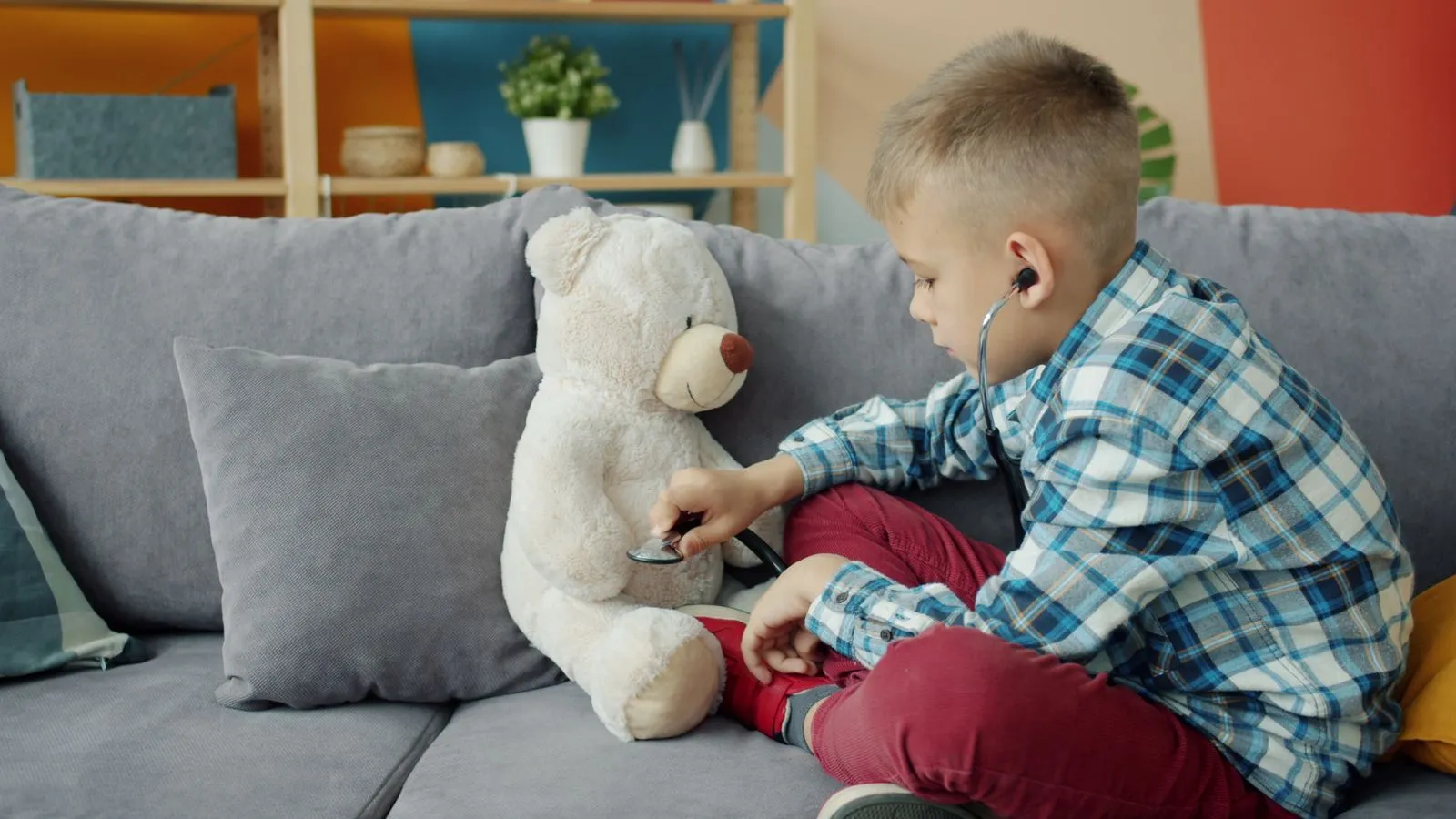
Young children learn by moving, playing, exploring, and taking part in everyday routines. When a child has difficulty joining these activities, early intervention occupational therapy can help identify what is getting in the way and build useful skills. Support may address movement, hand use, sensory experiences, feeding, dressing, and play. The aim is not to make every child do things the same way. It is to help each child participate more comfortably and confidently at home and in other familiar settings.
Play and Exploration
Play gives children a way to practice communication, coordination, problem-solving, and social connection. An occupational therapist may look at how a child handles toys, explores different materials, shifts between activities, or plays alongside others. If a child struggles to engage, the therapist can adjust the activity, environment, or materials so play feels more accessible and rewarding.
Support might include choosing toys that match a child’s current interests and abilities, creating simple chances to reach or grasp, or helping a caregiver follow the child’s lead. These strategies can make play easier to join and help a child practice new skills naturally during the day.
Daily Routines and Self-Care
Everyday tasks such as getting dressed, washing hands, eating, and brushing teeth involve several skills. A child may need support with coordination, attention, handling textures, using utensils, or tolerating changes in a routine. Occupational therapy looks at the task as a whole and considers the child’s abilities, surroundings, and family priorities.
A therapist may break a task into manageable steps, suggest child-friendly tools, or help caregivers create predictable routines. For example, practicing pulling off socks during dressing or using a stable seat at meals can give a child a useful way to participate. Strategies should fit the family’s daily life and be adjusted as the child develops.
Movement and Hand Skills
Movement skills help children explore their environment and take part in activities. Occupational therapy may address balance, posture, coordination, and the ability to move between positions during play or daily care. Hand skills also matter: reaching, grasping, releasing, turning pages, and handling small objects can all support a child’s growing independence.
Therapy activities are chosen around meaningful goals, not just exercises in isolation. A child might practice reaching for a favorite toy, placing blocks into a container, or using both hands during a simple game. The therapist can also suggest ways to make a space safer and easier to navigate.
Sensory Needs and Family Support
Some children respond strongly to sounds, touch, movement, tastes, or other sensations. These responses can affect participation in meals, dressing, play, or community outings. An occupational therapist can observe when challenges arise and work with the family to identify practical changes, such as reducing distractions or introducing a new texture gradually.
Early intervention works best when strategies carry over into familiar routines. Caregivers can share what matters most, what they have already tried, and what feels realistic at home. In Albuquerque, Mesa Early OT can discuss whether occupational therapy may be appropriate for a child’s participation goals and how to take the next step.
Early intervention occupational therapy focuses on helping children take part in the activities that fill their days, from play and movement to meals and dressing. Support is shaped around each child and family, with practical strategies for everyday settings. If you have questions about your child’s participation, consider discussing your concerns with a qualified provider.